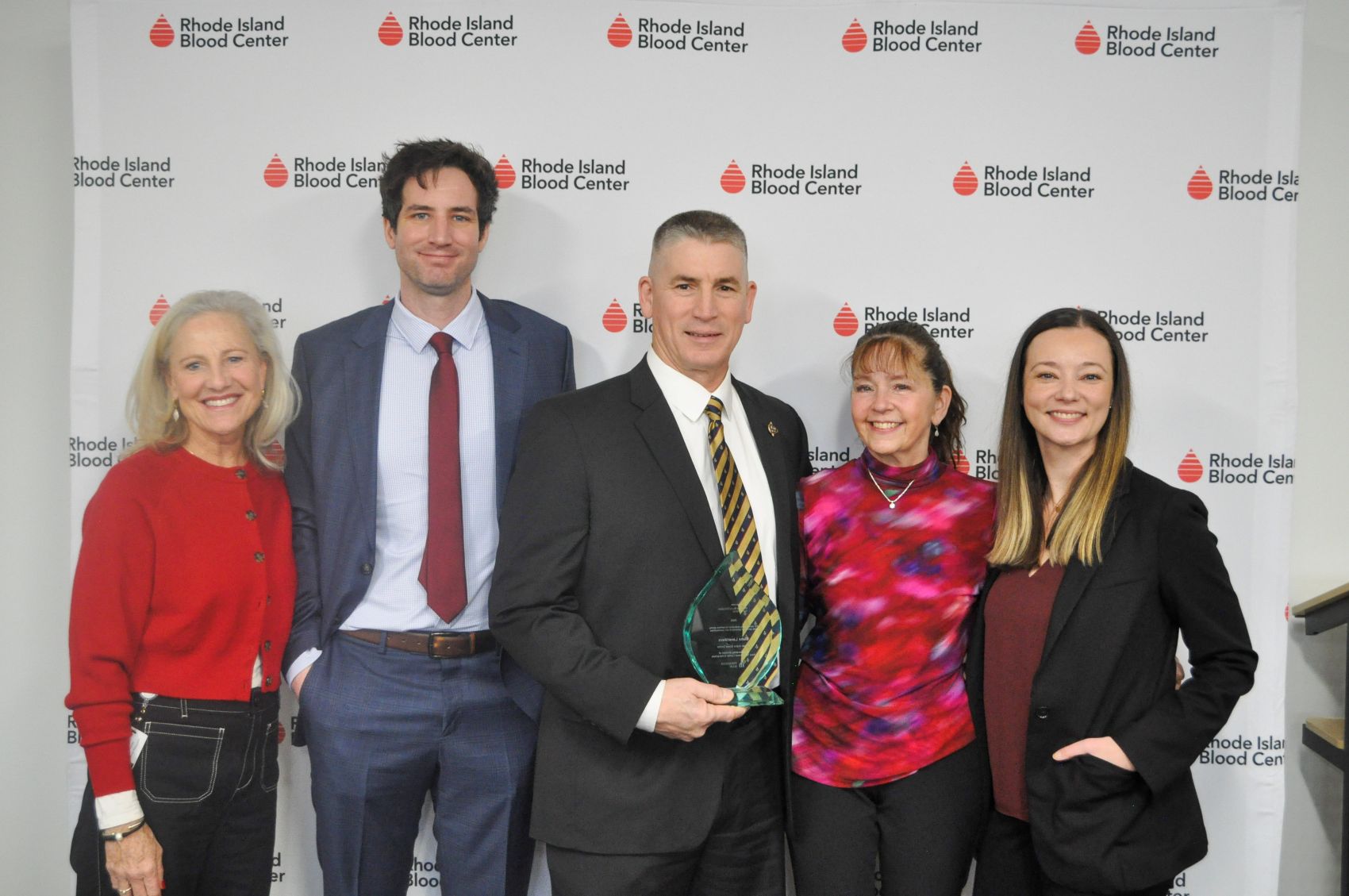
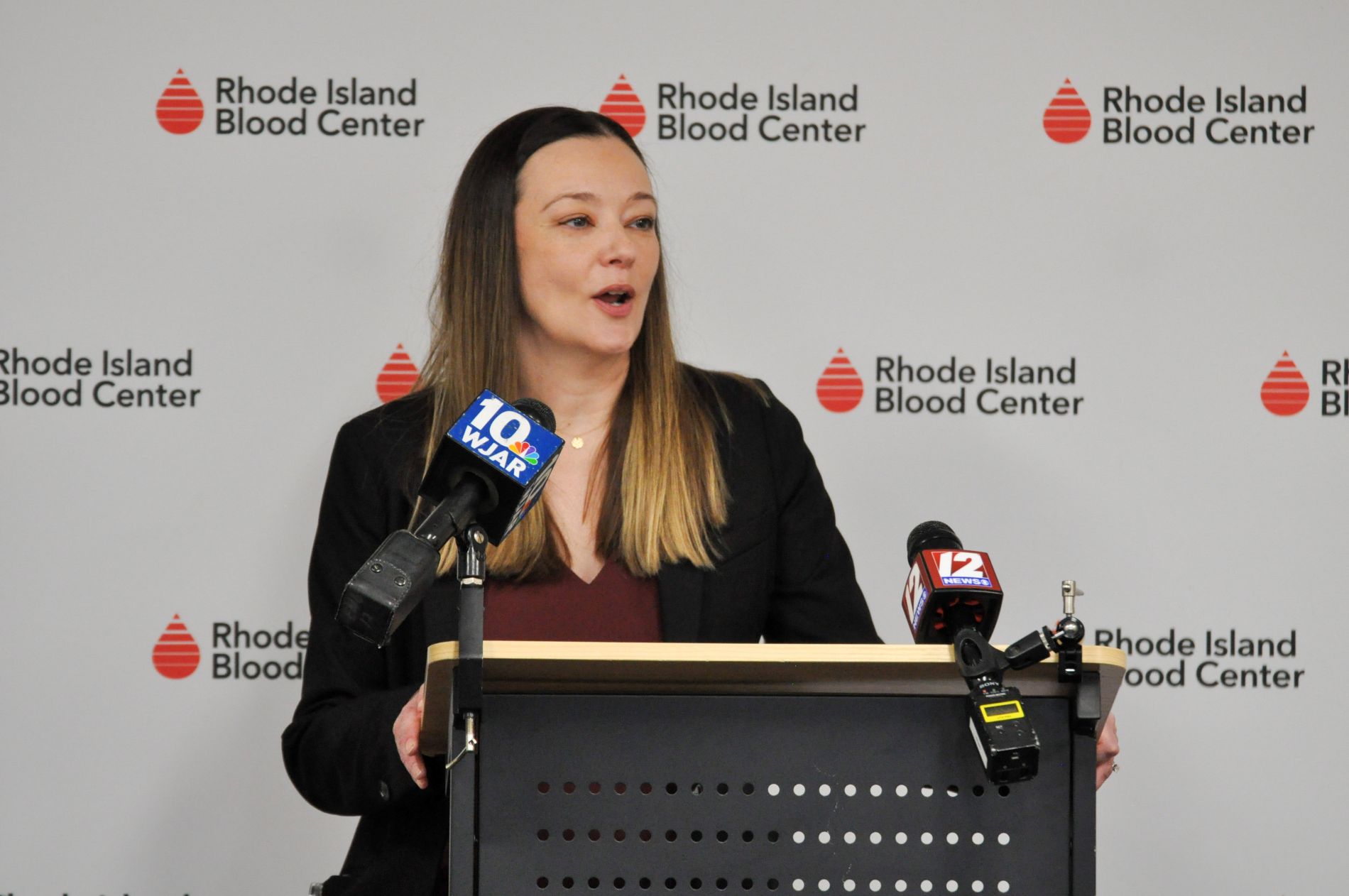
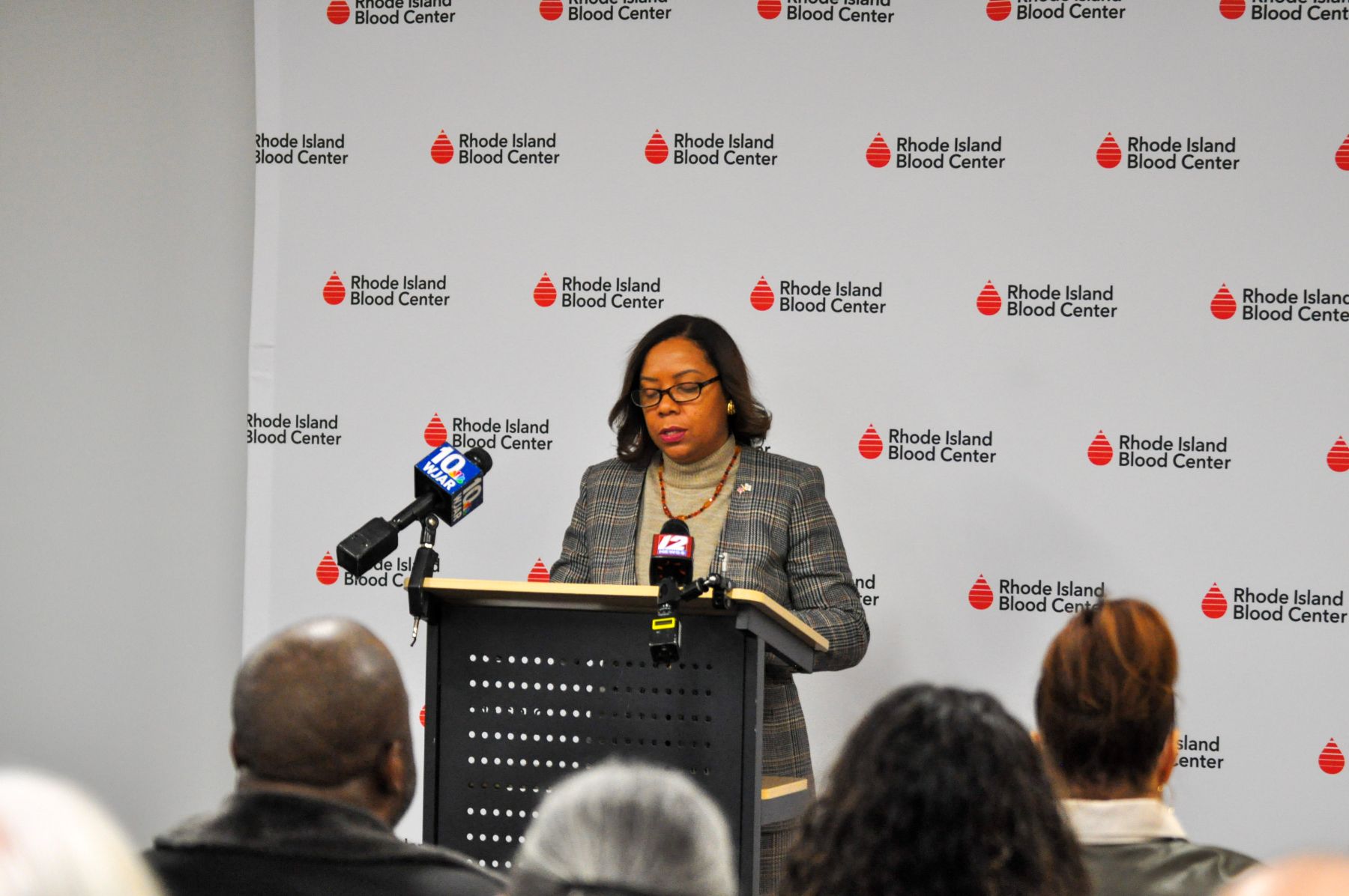
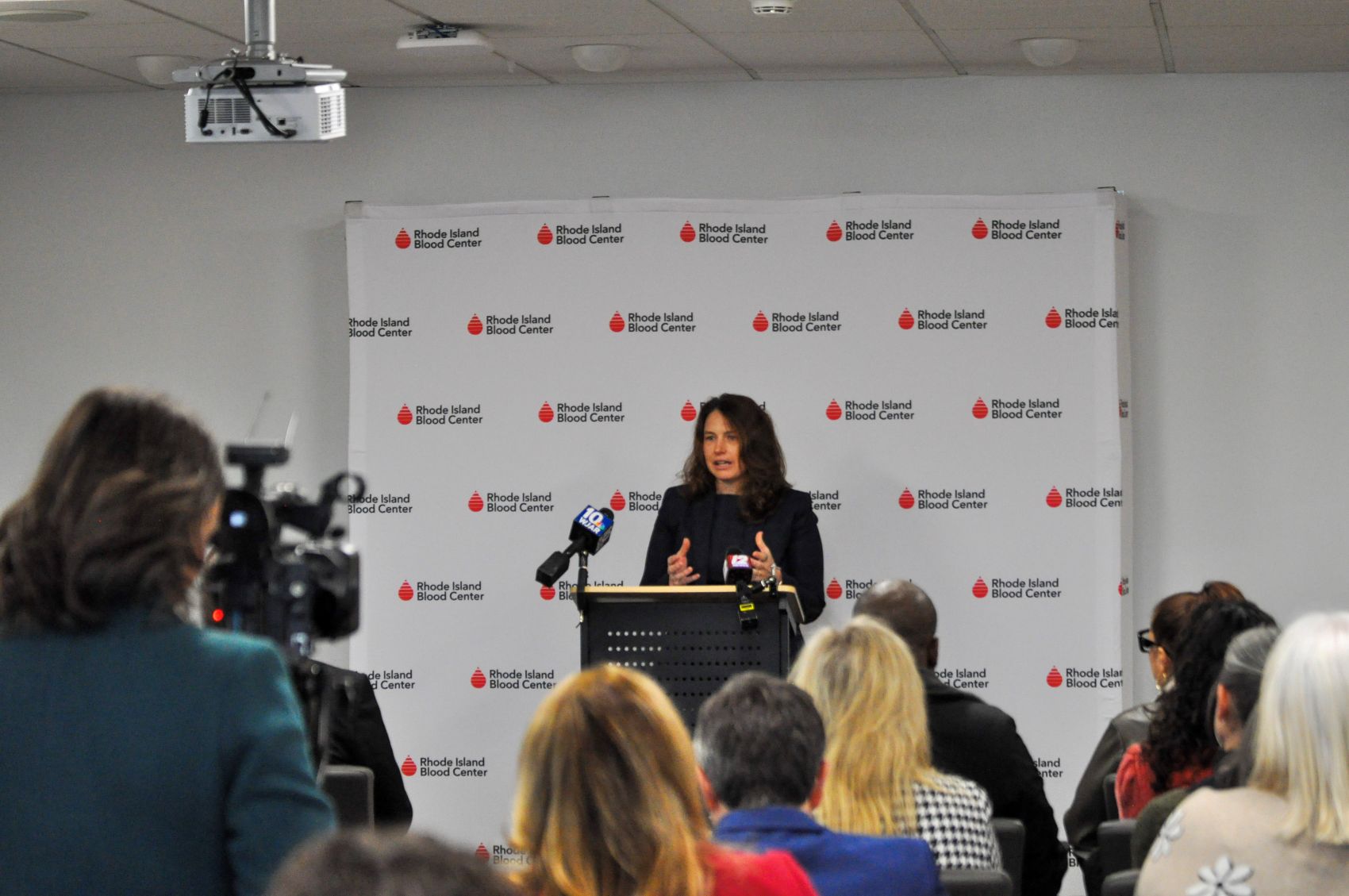
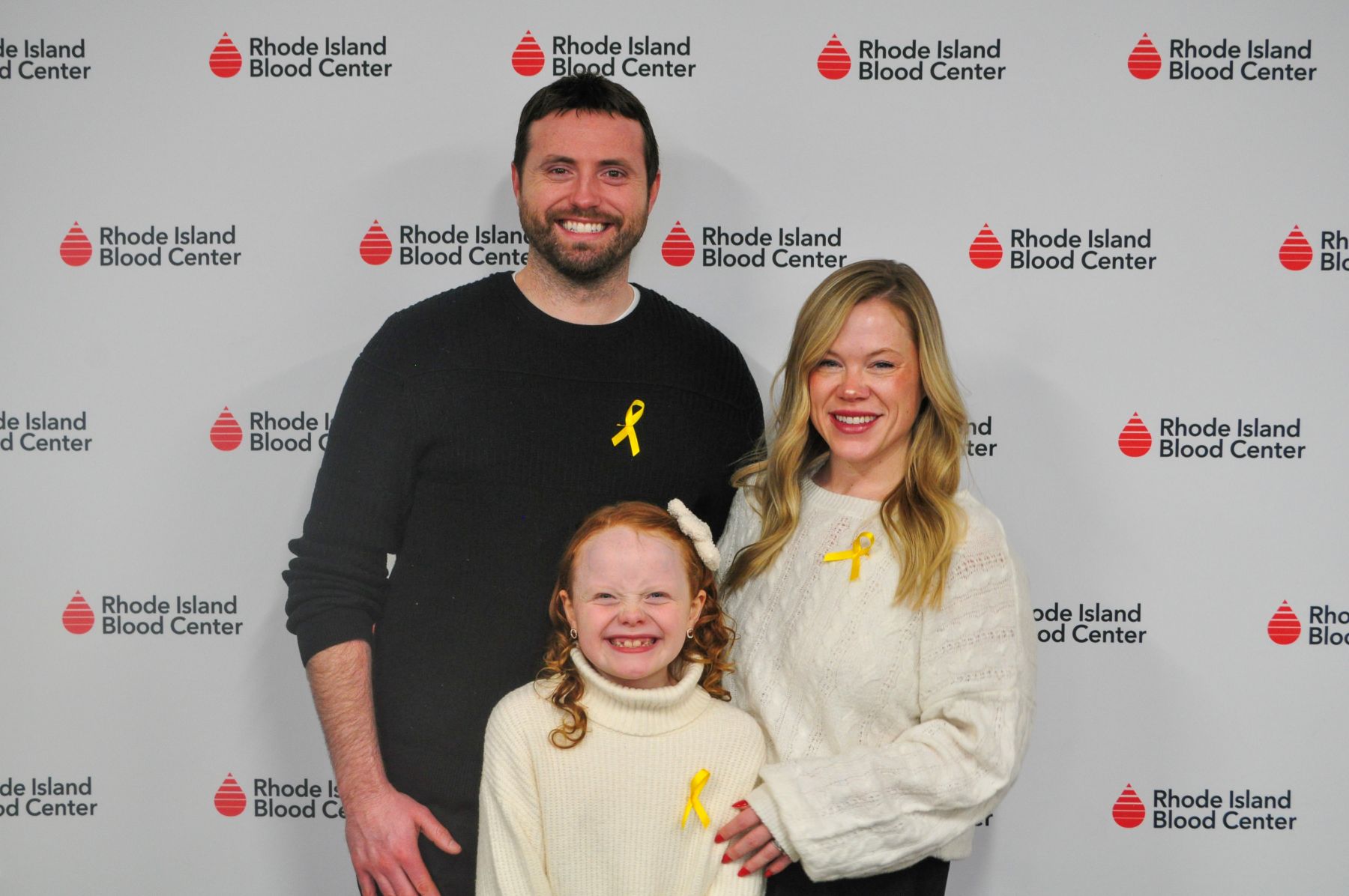
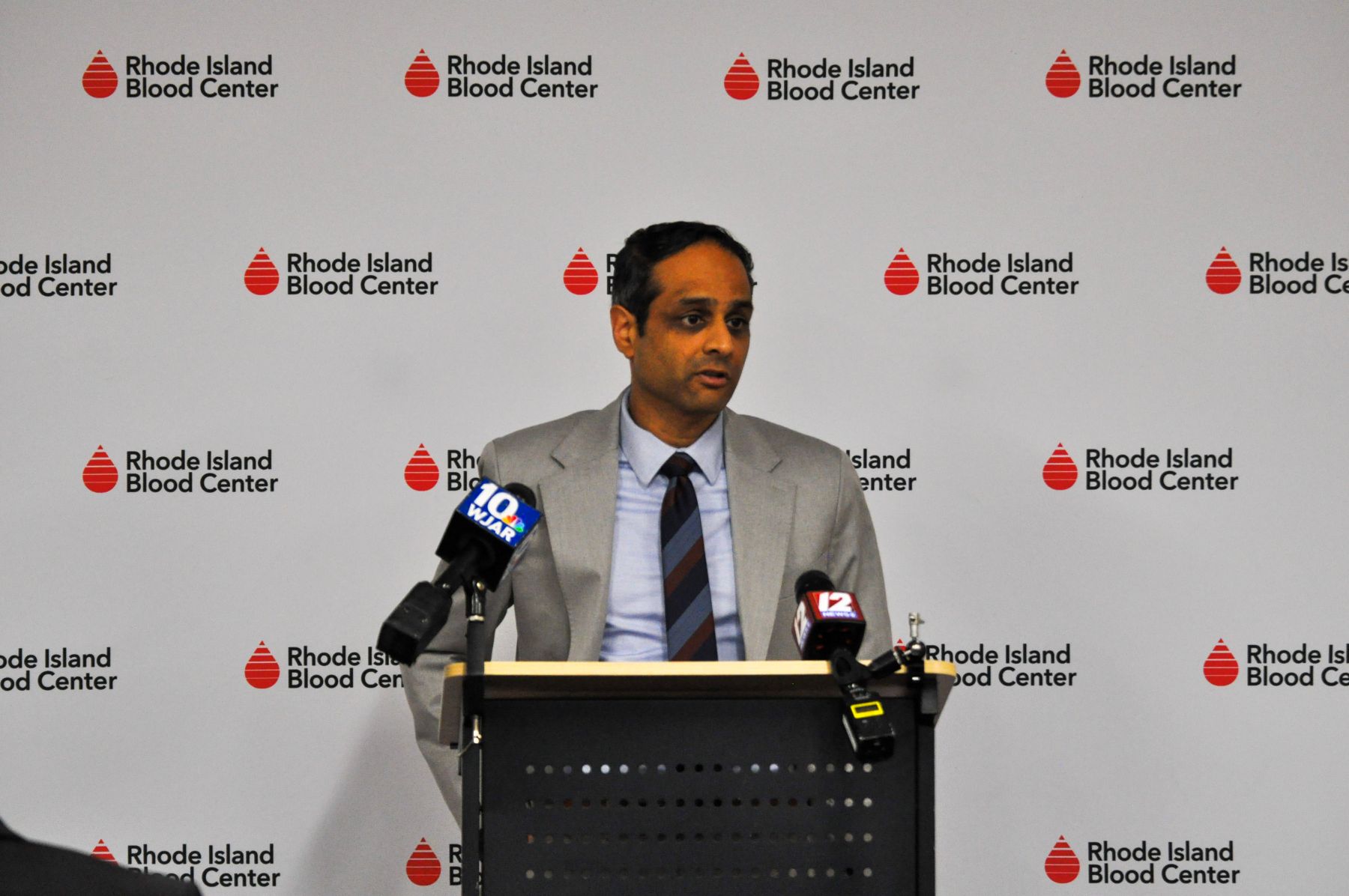
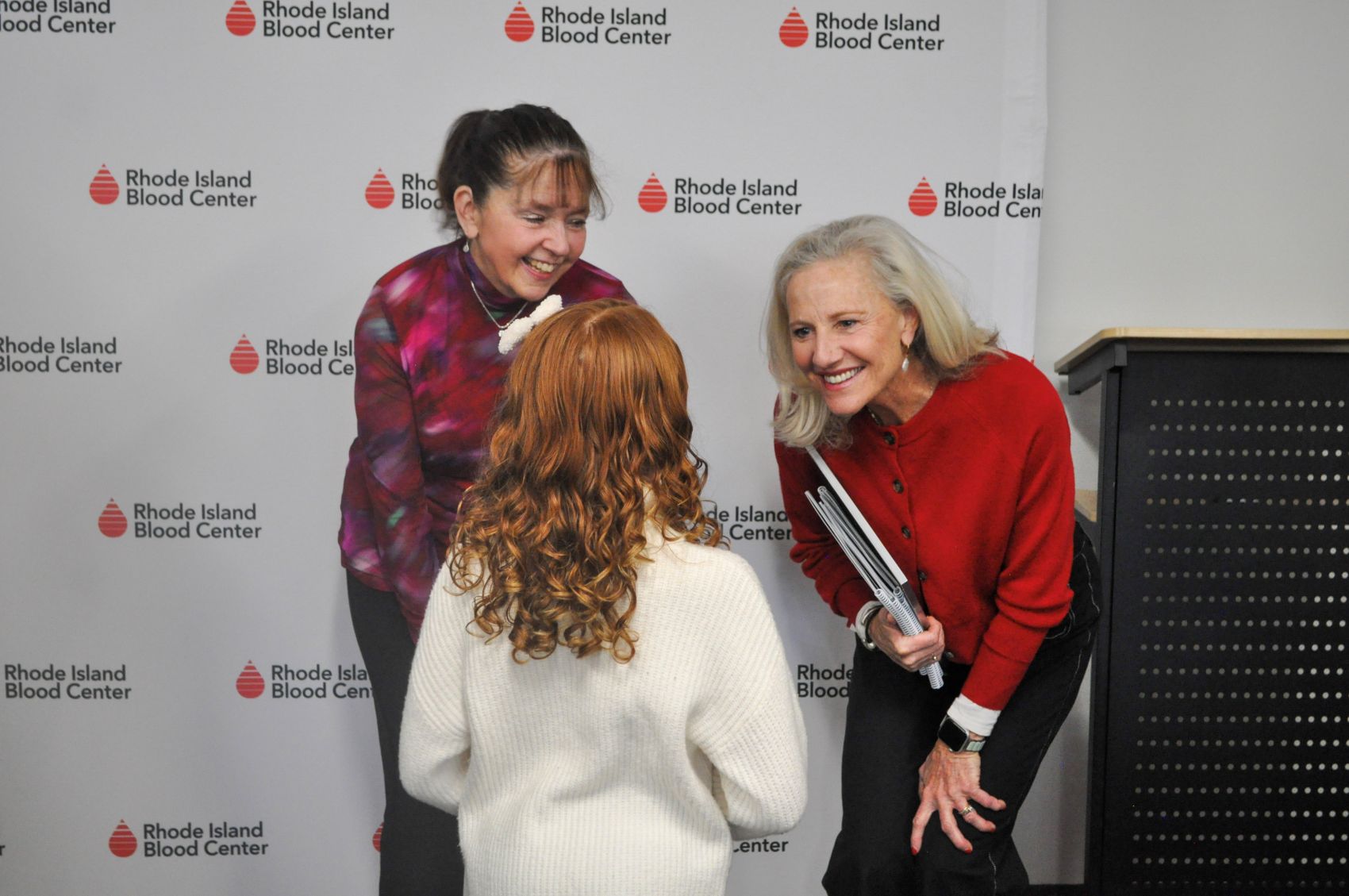
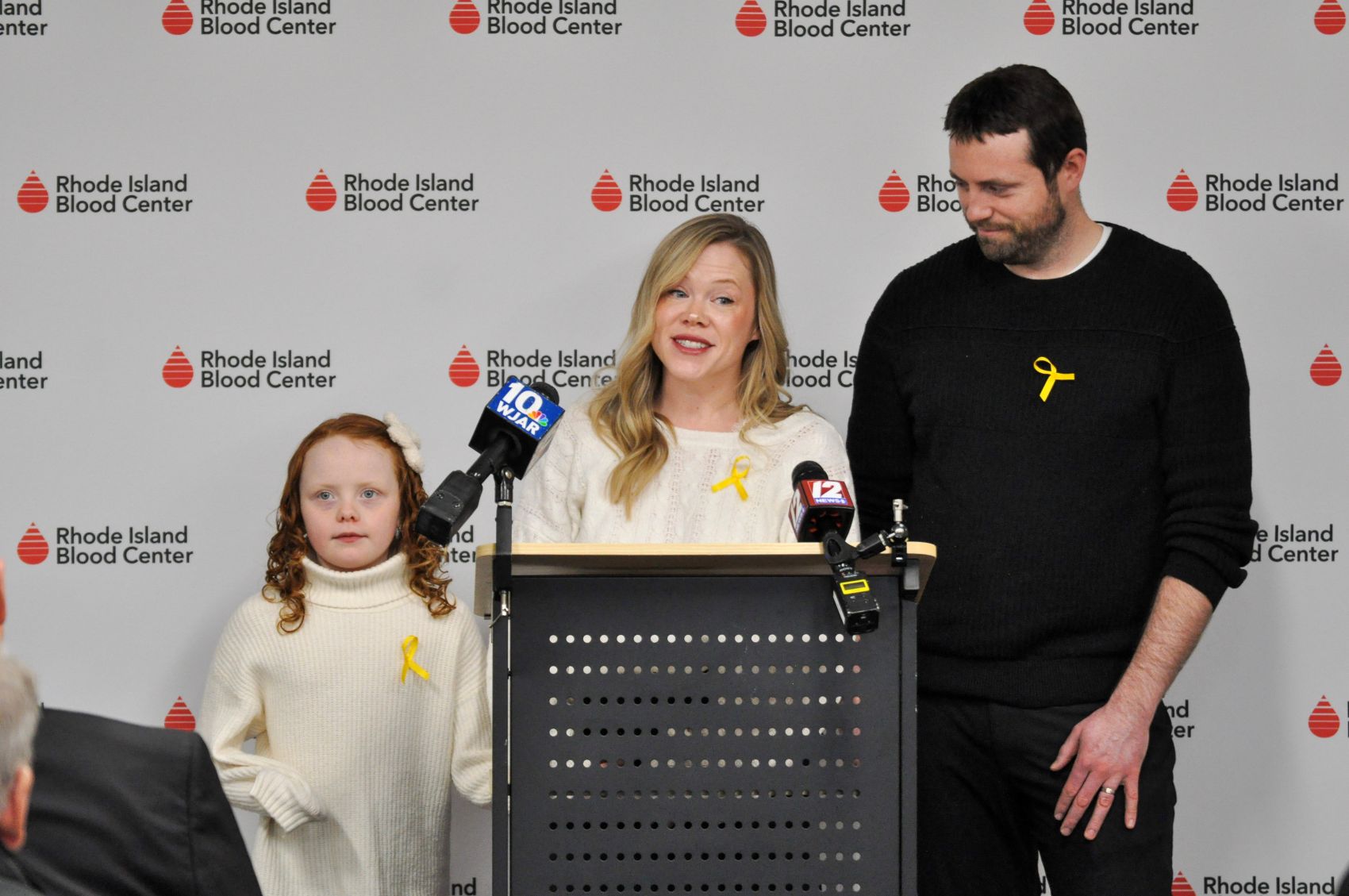
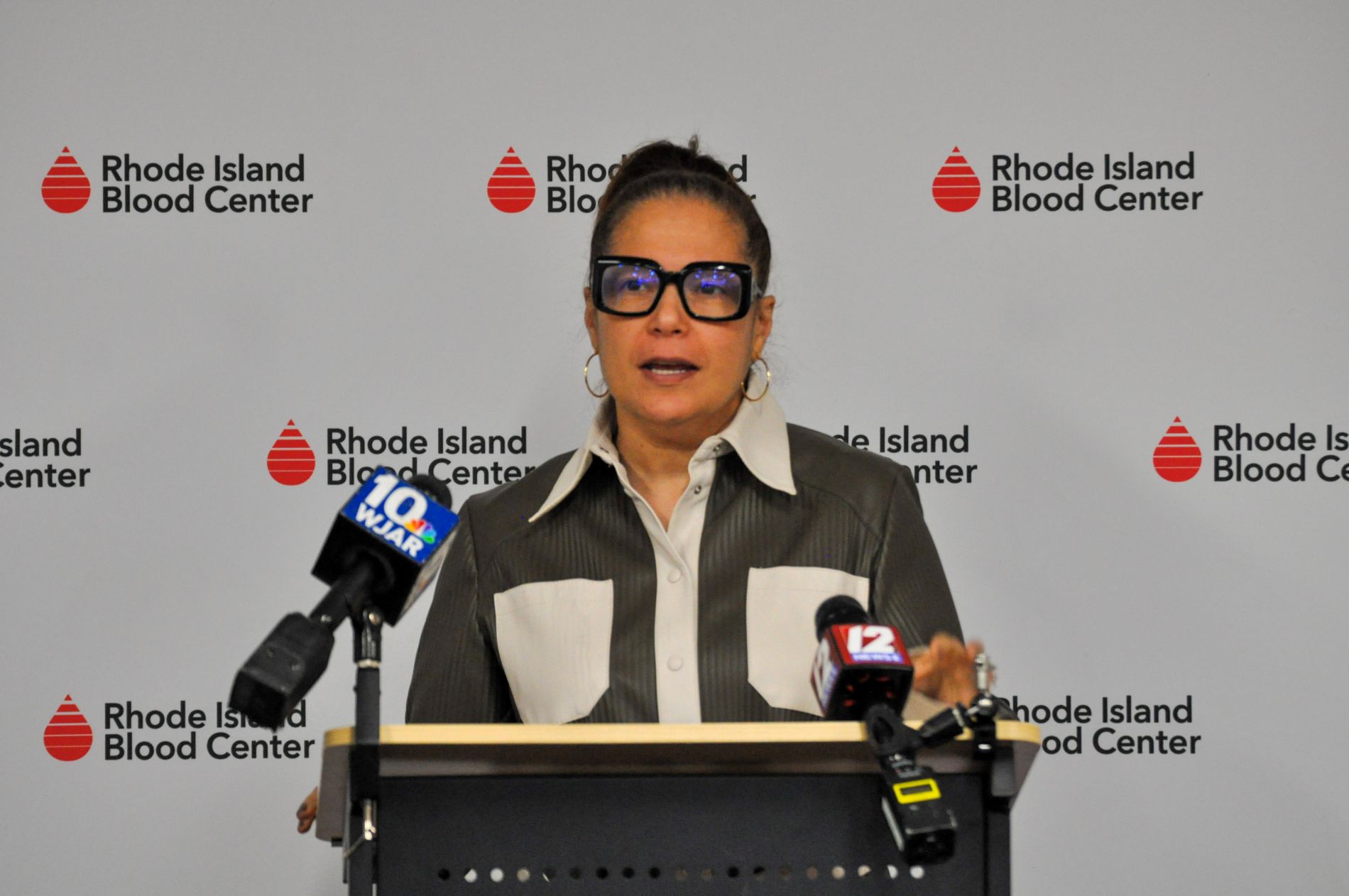
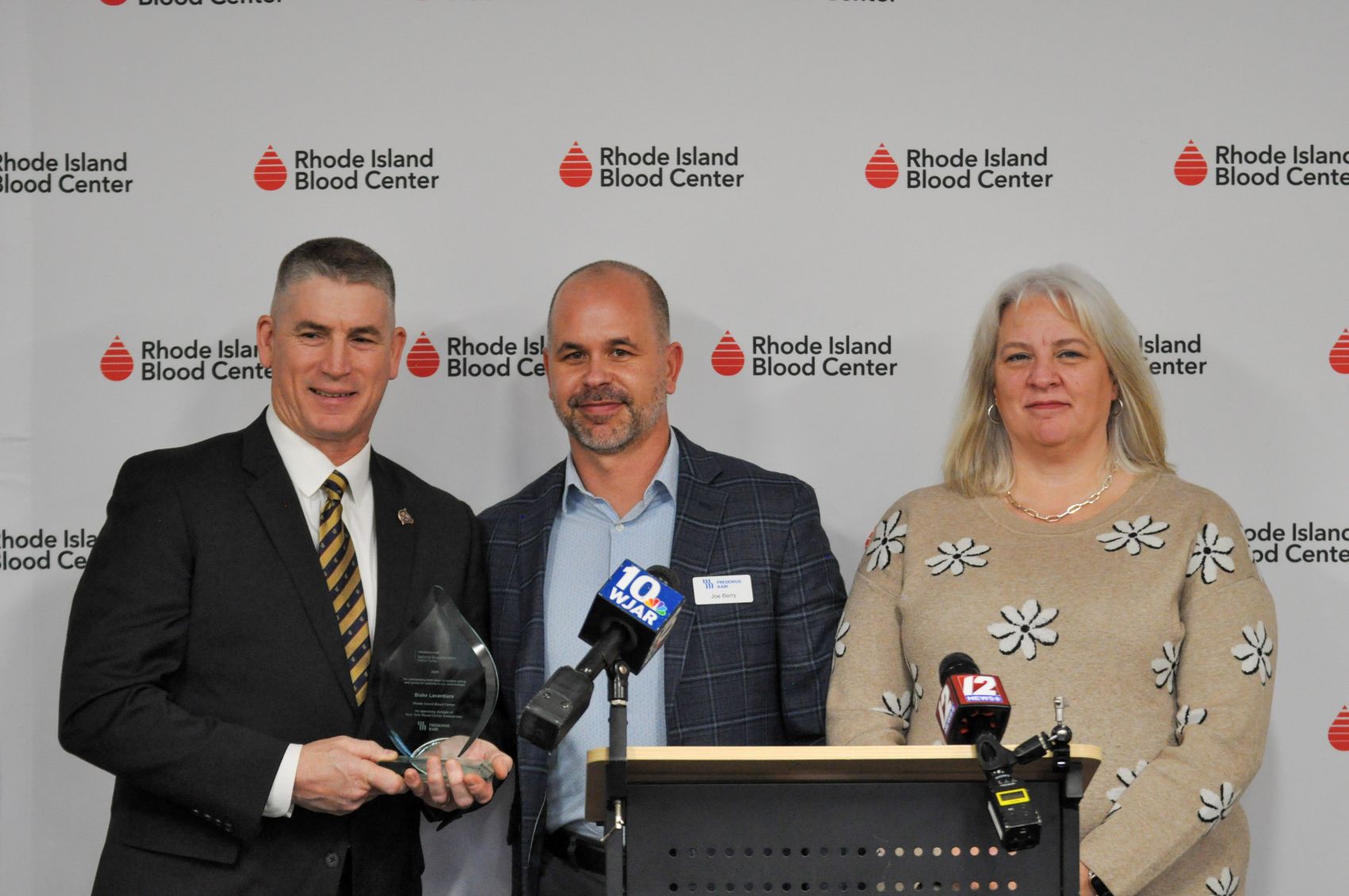
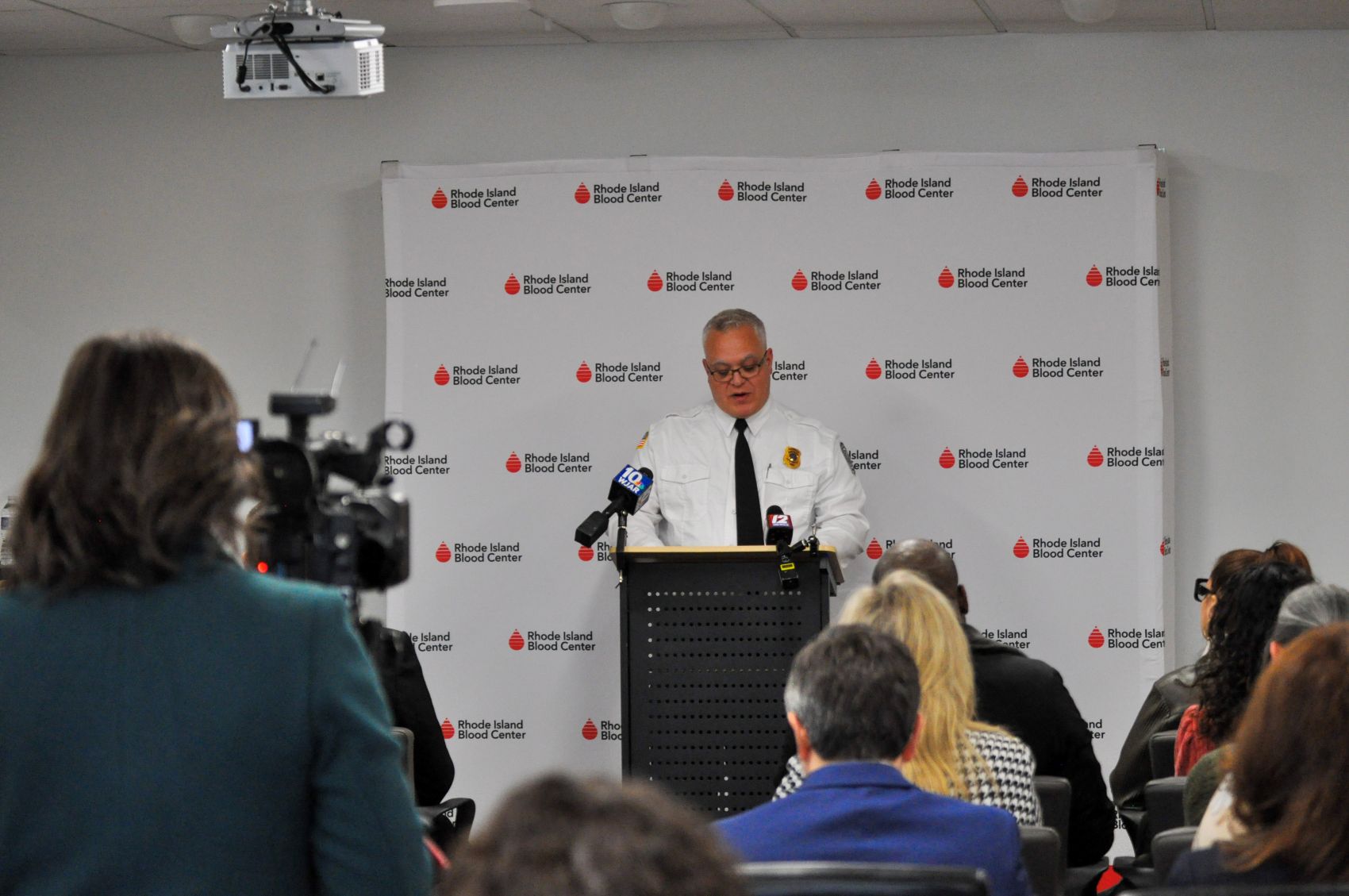
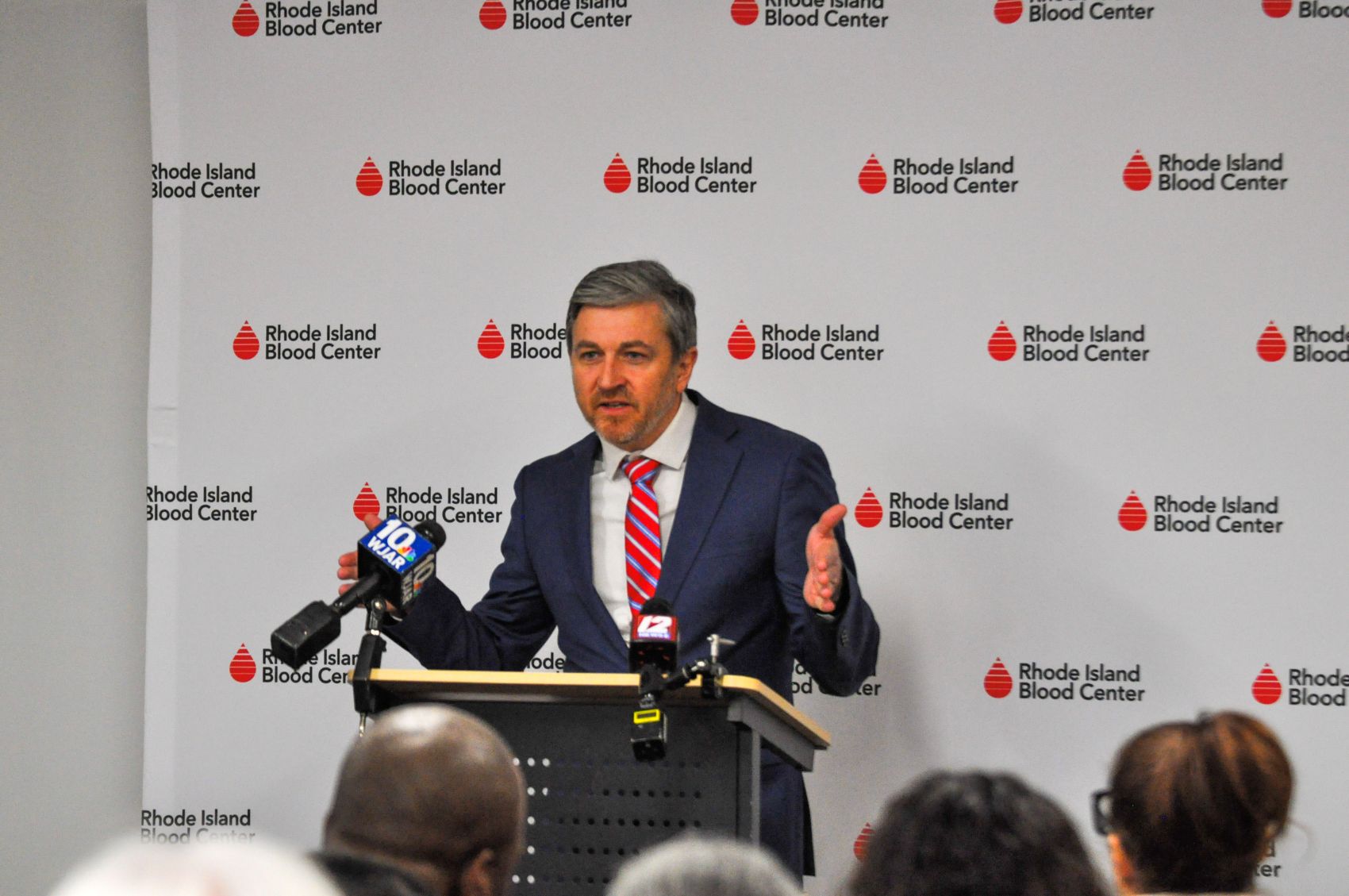
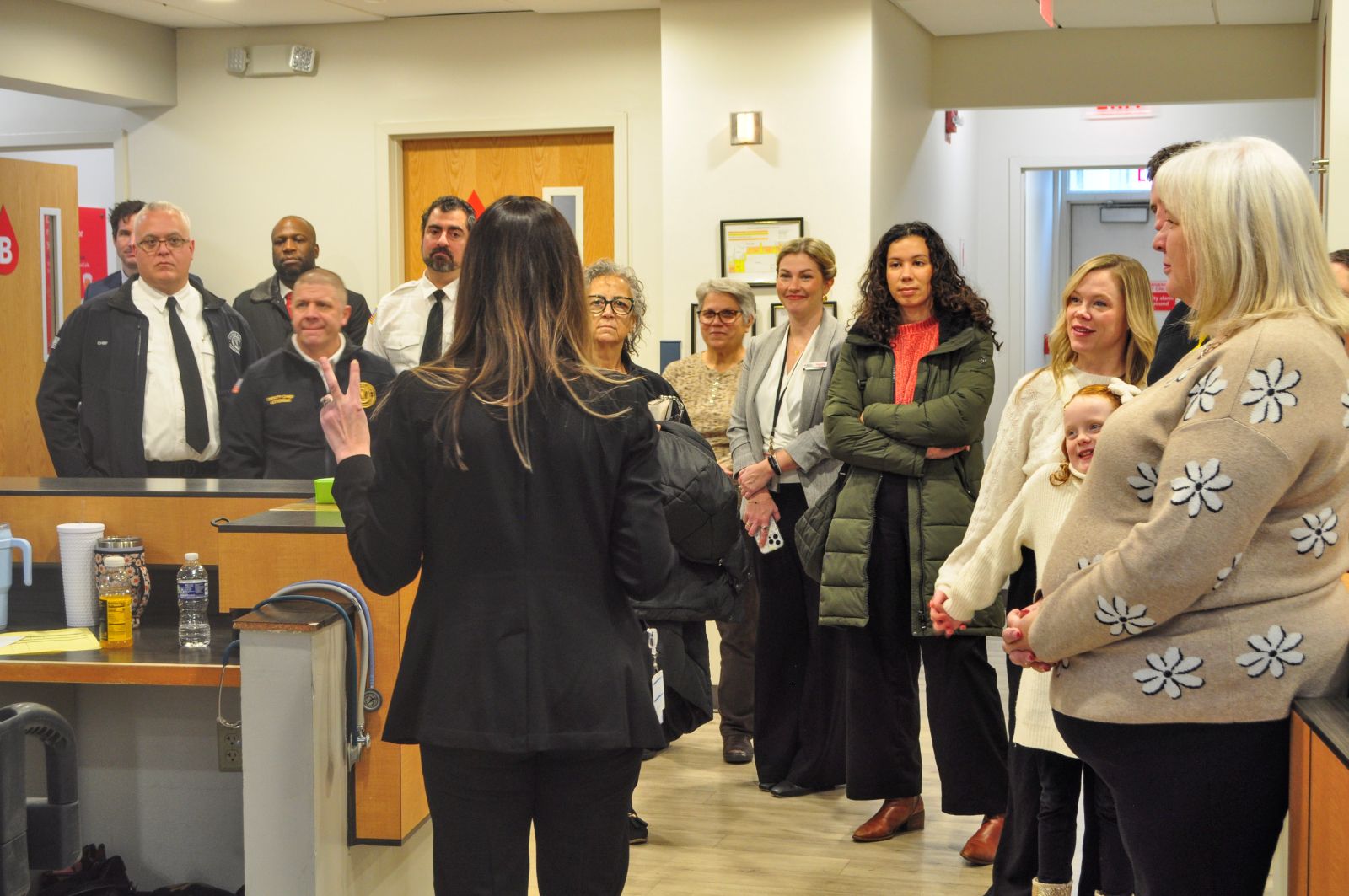
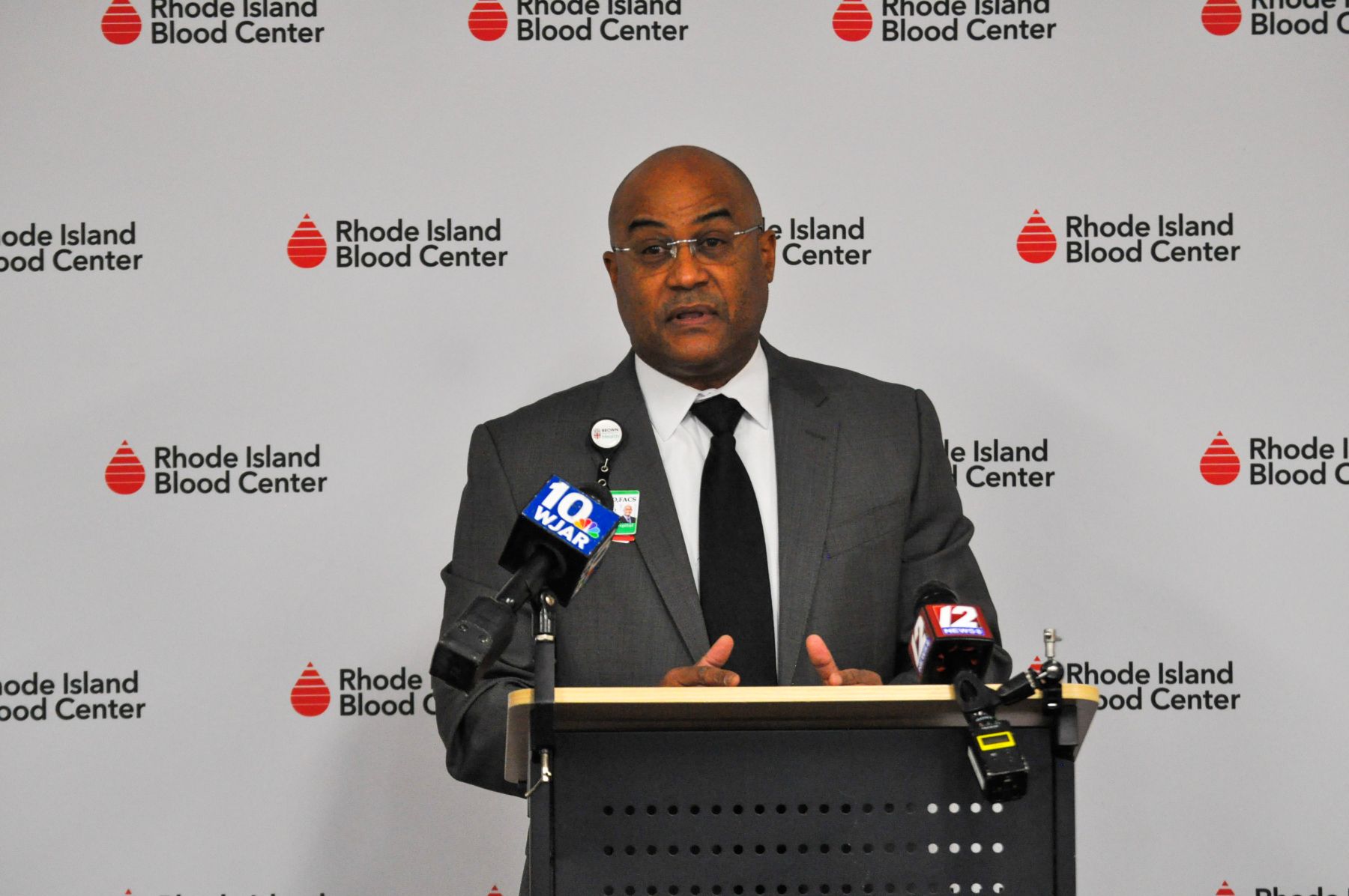
RHODE ISLAND– On Wednesday, January 7, Rhode Island Blood Center (RIBC) was joined by Rhode Island Lt. Governor Sabina Matos, hospital leaders, blood recipients, and community partners for a press conference at the Rhode Island Blood Center in recognition of National Blood Donor Month and the ongoing need for blood donations across the region.
January is historically one of the most challenging months for the blood supply, as holiday travel, winter weather, and seasonal illness often disrupt donations while patient needs remain constant. After the recent holiday season, the current blood supply sits at only at a 3-day level, far below the 7-day inventory needed to meet hospital demand. This annual observance serves as an important reminder of the lifesaving impact of routine blood donation nationwide.
Press conference speakers highlighted the importance of blood donation, shared firsthand perspectives from first responders and patients, and encouraged the community to make blood donation a priority in the new year.
Notable speakers and attendees included Rhode Island Lt. Governor Sabina Matos, Director of Pediatric and Adult Sickle Cell & Hemoglobinopathy at Rhode Island Hospital Dr. Patrick McGann, Cumberland EMS Chief Scott Dessert, Senior Vice President and Chief Medical Officer at Sturdy Health Dr. Brian Patel, Dr. Martha Kole White of Maternal Fetal Medicine at Women & Infants Hospital; Commissioner of the Rhode Island Department of Education Angelica Infante-Green, and Executive Director of Blood Operations at RIBC Nicole Pineault.
“We just heard about the emergency that we had last month at Brown University and how our community came together and responded,” said Lt. Governor Sabina Matos. “But that was a reminder to all of us that we always have to be ready and prepared, because we don’t know when an emergency is going to hit our state.”
“If you are a donor, I encourage you to come back. There are not many ways to save a life directly, and I can tell you for sure, as a hematologist, and as someone who provides care of people with sickle cell disease, that a blood donation without a doubt saves the lives of these patients,” said Dr. Patrick McGann Director, Pediatric and Adult Sickle Cell & Hemoglobinopathy at Rhode Island Hospital.
“From the hospital standpoint, from the physicians, the surgeons, the need is there and donating blood does save lives. There’s not much that we can all do other than roll up our sleeves – everybody can save lives,” Dr. Dean Roye Senior Vice President & Chief Medical Officer at Rhode Island Hospital.
“As a physician, but also as a mother, as a daughter, as a member of this community, I am profoundly grateful for everyone who donates blood,” said Dr. Martha Kole White Maternal Fetal Medicine, Women & Infants Hospital. “When you donate blood, you’re not only supporting women infants or a healthcare system or a medical community. You’re supporting families during some of their most vulnerable times. You’re helping ensure in some situations that mothers and babies can go home together safely from the hospital. Thank you very much to the Rhode Island Blood Center and to all the donors who make this life-saving work possible for everyone present. Your generosity saves lives every single day.”
“National Blood Donor Month is a powerful reminder that the need for blood doesn’t take a holiday,” said Nicole Pineault, Executive Director at Rhode Island Blood Center. “Each January, donations decline while patient needs remain steady, and that gap can put lives at risk. We’re incredibly grateful to our community leaders for standing with us today and encouraging folks to make blood donation a priority in the new year.”
To help prevent blood shortages in 2026, RIBC encourages donors to become All Seasons Lifesavers by making blood donation a routine part of their lives and giving at least once each season in 2026. RIBC also offers additional donor frequency programs based on donation type, recognizing those who give consistently throughout the year. Learn more here.
Blood donors can give every 56 days, and platelet donors can give twice per month. In light of recent updates to FDA guidance, more people than ever may now be eligible to give. To view current eligibility guidelines or make an appointment, visit www.ribc.org or call 401.453.8383.